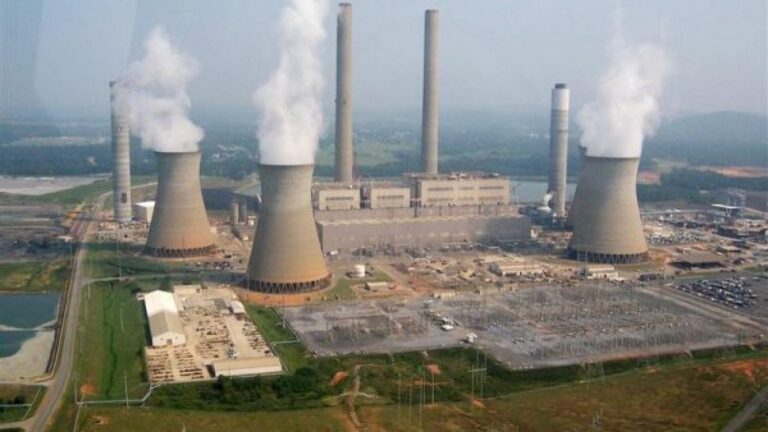
Global Thermal Coal Markets Shift Sideways as Supply, Demand Fluctuate
The global thermal coal market has experienced a noticeable fluctuation in prices and demand over the past week, with key developments shaping the sector’s dynamics…

The global thermal coal market has experienced a noticeable fluctuation in prices and demand over the past week, with key developments shaping the sector’s dynamics…
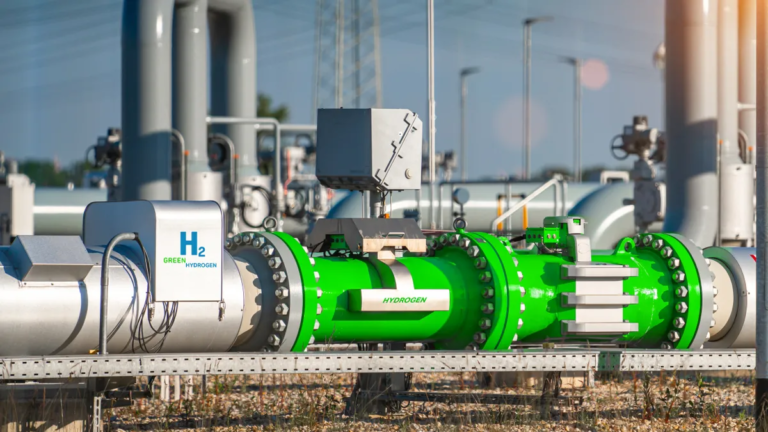
On July 3, 2024, Italy marked a significant milestone in industrial innovation by launching its first trial using hydrogen to process steel products…
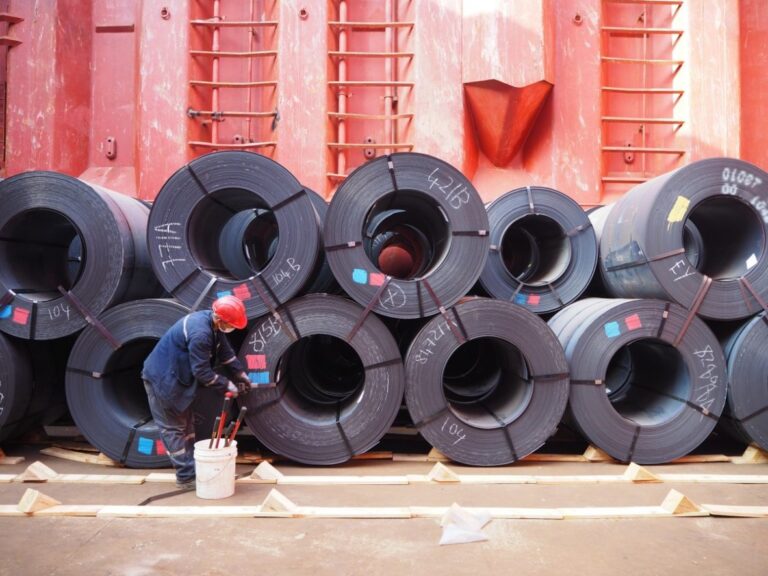
At the Kallanish Europe Steel Markets 2024 conference in Milan, GMK’s chief executive Stanislav Zinchenko highlighted the potential for sustained raw materials prices in the latter half of the year, driven by robust demand from China and India…
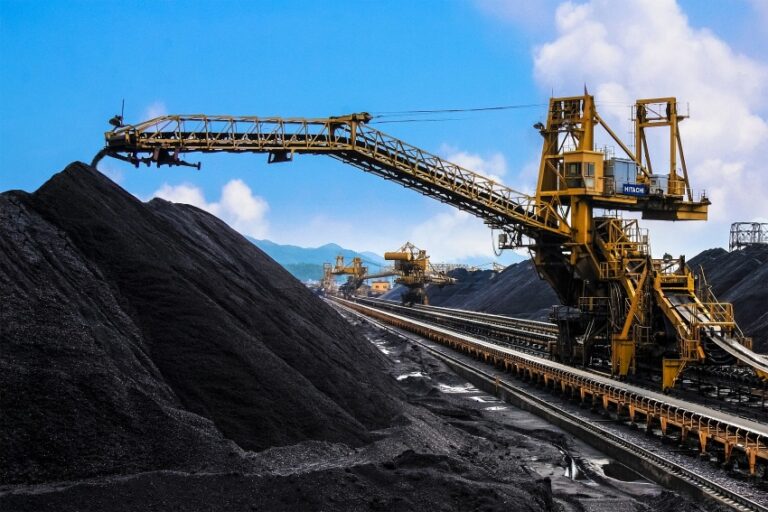
Global coal trade has seen a robust resurgence, achieving pre-COVID levels in recent months, as evidenced by vessel tracking data from AXS Marine. Throughout 2023, global seaborne coal loadings escalated by 5.8% year-over-year, totaling 1,339.5 million tonnes…
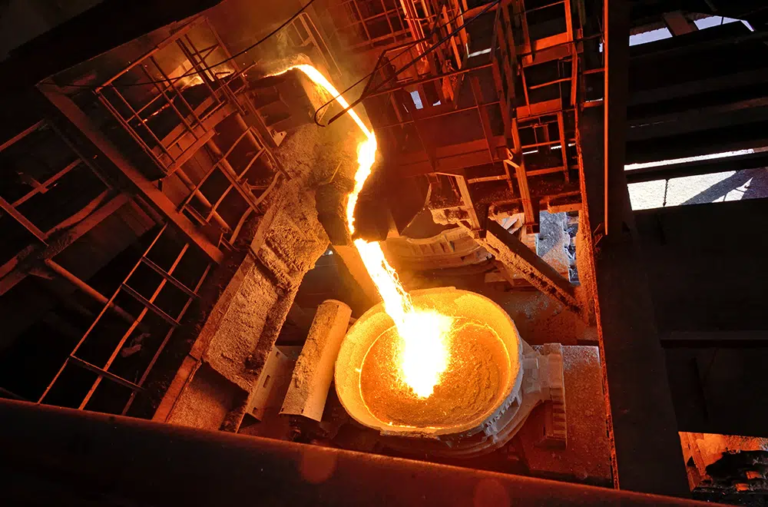
European prices for hot-rolled coil (HRC) appear to be showing signs of stability, which is encouraging steel producers there to set the market higher.
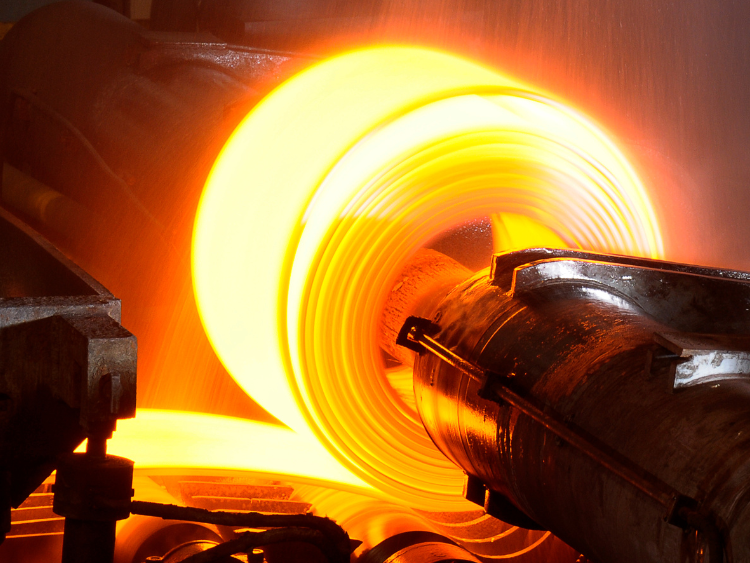
Global steel product exports saw a significant increase in 2023, climbing 6.4% to 402.8 million metric tons (mt), as per the latest figures from the World Steel Association.
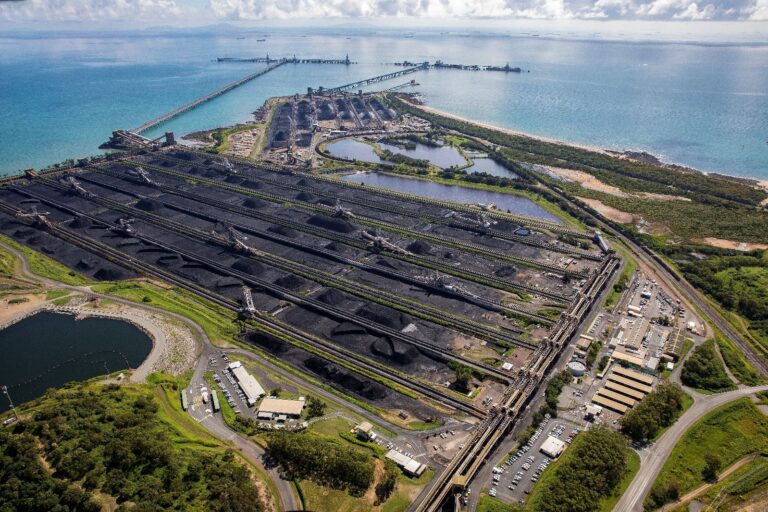
Global coal trade has seen a robust resurgence, achieving pre-COVID levels in recent months, as evidenced by vessel tracking data from AXS Marine. Throughout 2023,
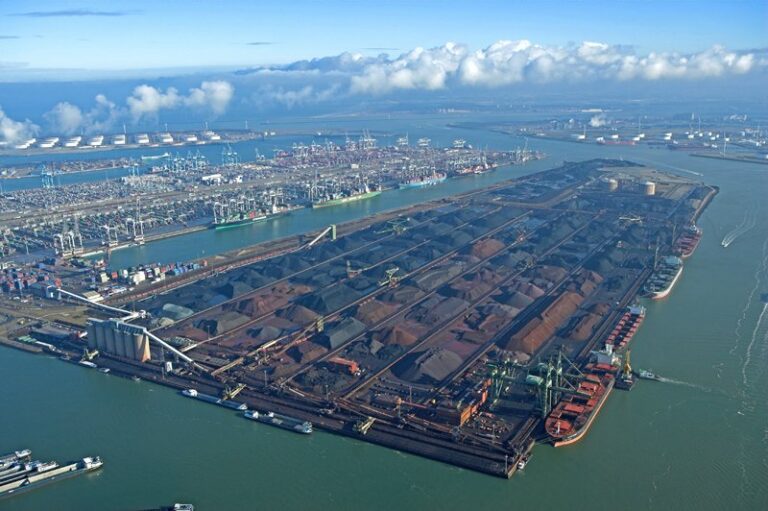
European thermal coal imports will only rise marginally this month from March’s multi-year low
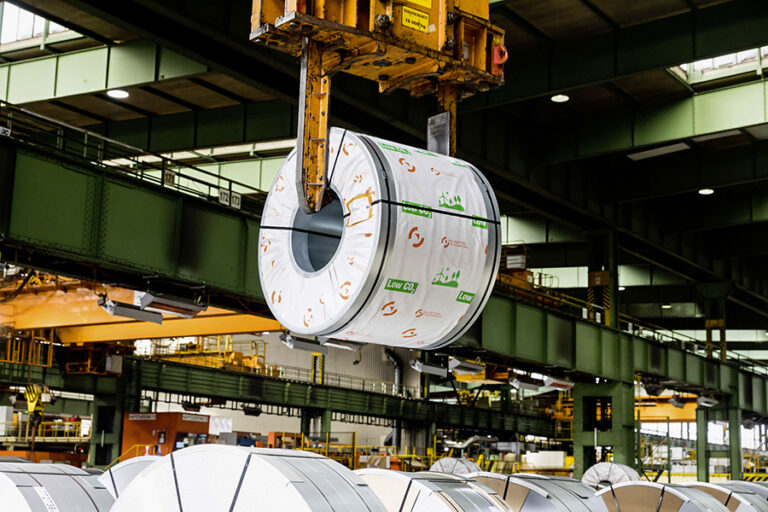
It will likely take 20-25 years for Europe to secure sufficient hydrogen supply to decarbonise its steel industry
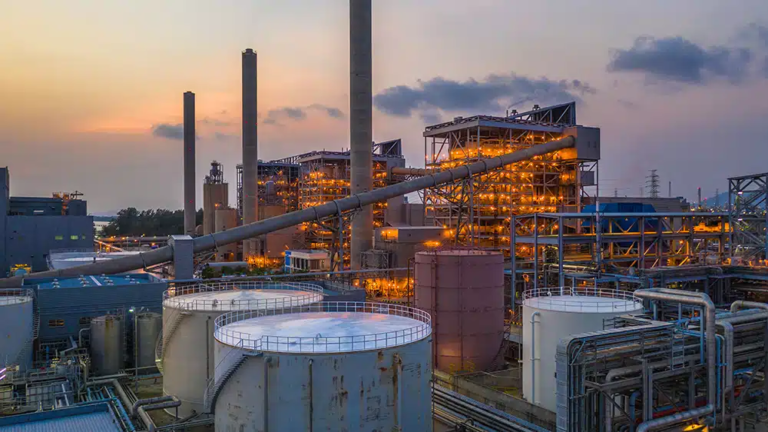
USSK has decided to extend downtime at one of its blast furnaces due to slow demand for steel across Europe
European coal prices look set to lose further ground this week amid a relative abundance of supply and sluggish demand
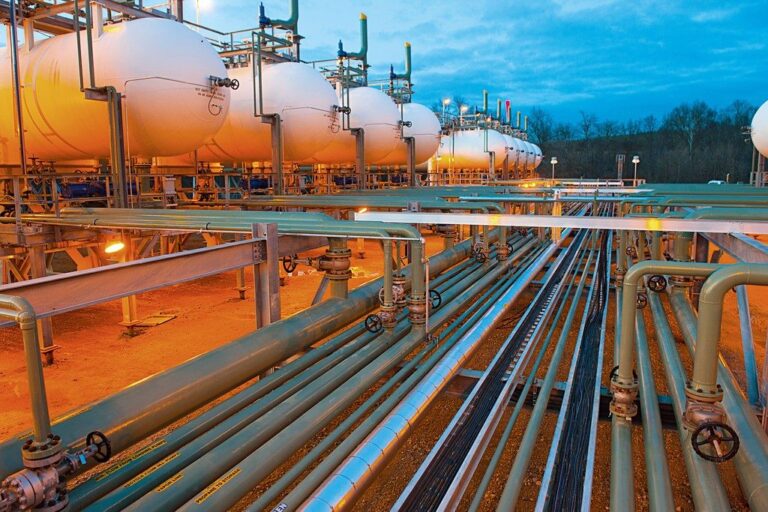
European gas prices rose on Thursday as newly approved EU legislation raised the prospect of further reductions in Russian flows